Denver Kitchen Remodel FAQ: Answers for Homeowners
A Denver kitchen remodel involves city permits, fees like $340 for a $40,000 project (Building and Land Development Fees - City and County of Denver), and potential inspections. Costs vary by scope but are influenced by permit and review charges (Building and Land Development Fees - City and County of Denver).
Part of the Small Kitchen Remodel guide for Denver homeowners.
Before they contact you, we give you the pro's name. Ask them for their license number and check it yourself — look it up at denvergov.org.
We're lining up one Denver kitchen remodel pro. We'll email you the matched pro's name within 1 business day. If we can't match you, we'll email you that too.
Updated
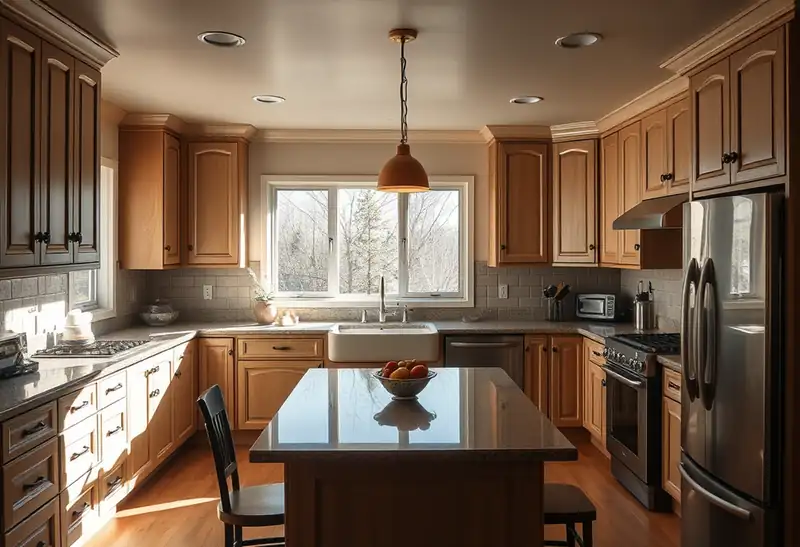
What Kitchen Remodel Choices Suit Denver Homes from the 1970s?
Asbestos inspections are mandatory before any major work begins.
Denver’s building permit system also affects kitchen remodels. This cost includes both the base permit fee and the 50% plan review charge. Permitting is essential for work that alters the floor plan or involves structural changes.
Denver Permit Desk: Requirements for Interior Remodels with a Modified Gross
Interior remodels in Denver involving changes to floor space may require permits and specific documentation based on project valuation and scope. Understanding the requirements can help avoid delays.
Denver requires a construction permit for interior remodels that alter the floor plan, change load-bearing walls, or add new electrical or plumbing fixtures (Residential Interior Remodel - City and County of Denver (CPD)). For projects valued between $501 and $2,000, the building permit fee is $35, while higher-value projects see additional costs based on valuation tiers. Electrical, plumbing, mechanical, and roofing permits are typically issued separately as 'quick permits' without plan review (Residential Interior Remodel - City and County of Denver (CPD)). This streamlined process helps speed up approvals for minor changes.
Interior remodels that increase the gross floor area by more than 2,500 square feet must comply with URCO construction-and-demolition recycling rules. These projects require an approved waste diversion plan and a refundable deposit before permits can be issued (Residential Interior Remodel - City and County of Denver (CPD)). For smaller repairs like replacing drywall under one 4 ft by 8 ft sheet, no permit is needed (Residential Interior Remodel - City and County of Denver (CPD)). This distinction helps homeowners manage costs based on the scale of their project.
Permit rules from Residential Interior Remodel - City and County of Denver (CPD). Rules change — confirm with the Denver building/permit office before you start.
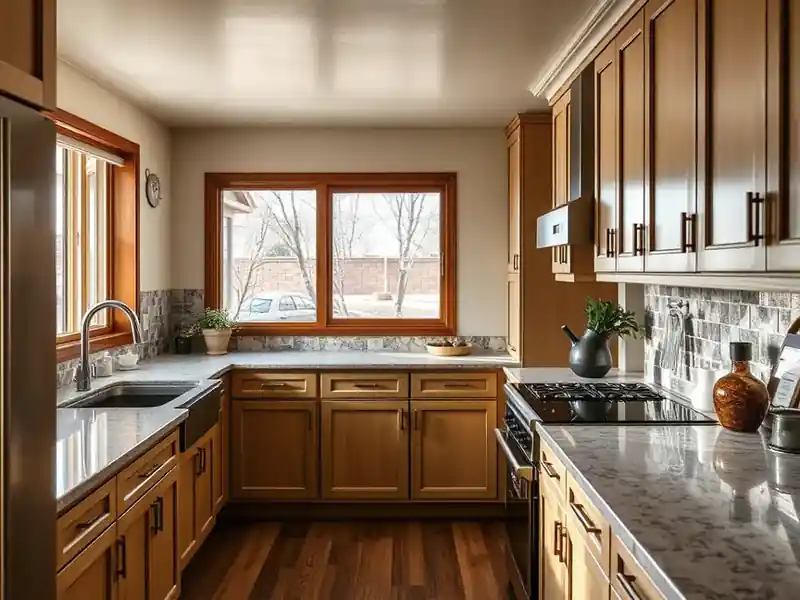
What Percentage of Denver Homes Were Built Before 1980?
Over half of Denver homes were built before 1980, affecting remodel planning. This includes properties in historic areas needing special permits for exterior work (Landmark Preservation Design Review Process - City and County of Denver). Understanding home age helps address lead-safe rules and other updates needed during kitchen renovations.
Nearly 55% of Denver's housing units were constructed before 1980, with many located in established neighborhoods like Capitol Hill or RiNo (ACS 5-year 2020-2024, B25034 Year Structure Built). This means that kitchens being remodeled today may involve homes built during the mid-20th century. Such properties often require compliance with lead-safe renovation practices if paint is disturbed, especially those built before 1978. These factors should be considered early in the planning process to ensure a smooth project timeline.
About 17% of Denver homes were built in or before 1939, and some of these older properties may have unique construction materials or layouts that influence design choices during a remodel (ACS 5-year 2020-2024, B25034 Year Structure Built). The median year for housing units is 1975, which means many kitchens are being updated in homes over 40 years old. This can affect the need for modern electrical and plumbing upgrades, as well as energy-efficient improvements to meet current standards.
How Do Denver's Climate Normals Impact Kitchen Remodel Scheduling?
Denver's climate affects kitchen remodeling schedules due to cold winters and frost requirements. Planning around these conditions is essential for successful projects in the area. Understanding local norms can help avoid delays.
Denver experiences about 156 days a year with temperatures at or below freezing, which influences when construction can be done outdoors (NOAA NCEI U.S. Climate Normals 1991-2020, Denver International Airport (USW00003017), annual/seasonal). The city's residential code mandates that footings must reach at least 36 inches below the frost line unless protected against freezing (Chapter 4 Foundations: Denver Residential Code 2021 (UpCodes)). This requirement is particularly relevant for kitchen remodels involving new flooring or structural changes, as work may need to be scheduled during milder months. Cold weather can also affect materials like concrete and adhesives used in renovations, requiring careful planning to avoid damage or delays.
With an average of 5,862 heating degree days annually, Denver's winters are long enough to impact construction timelines significantly (NOAA NCEI U.S. Climate Normals 1991-2020, Denver International Airport (USW00003017), annual/seasonal). Scheduling kitchen remodeling during spring or fall can help avoid the coldest months when outdoor work may be impractical. Additionally, the city’s relatively dry climate with annual precipitation of 14.48 inches means that weather-related delays are less common compared to other regions. However, freezing temperatures still play a key role in determining when certain aspects of a kitchen renovation can proceed.
Denver Licensing Rules for Kitchen Projects
Denver requires specific licensing for kitchen projects, which can impact project costs if not followed. Understanding these rules ensures compliance and avoids delays or fines during your remodel.
Related for Denver homeowners: How to Choose Engineered Stone Countertops.
If you're hiring a contractor in Denver for a kitchen remodel, they must first hold or employ someone with a Denver supervisor certificate or a state electrical or plumbing license (Contractor Licenses - City and County of Denver). Homeowners acting as their own general contractor must still hire licensed professionals for any tasks they don’t perform themselves (Applying for Permits as a Homeowner - City and County of Denver). This ensures that all work meets local standards and avoids legal complications later on.
Denver’s licensing process is not optional if you’re working with a professional. Contractors without proper credentials may face penalties, including project halts or fines (Contractor Licenses - City and County of Denver). For example, if your kitchen remodel involves electrical or plumbing changes, the contractor must hold the appropriate state license to proceed legally (Contractor Licenses - City and County of Denver). Homeowners should verify these qualifications before starting work to avoid unnecessary delays and additional costs down the line.
DIY Tasks in Denver Kitchens That Don’t Need a Pro
Some DIY tasks in Denver kitchens don’t require a permit, but others do. Understanding which ones fall under what rules can save time and money during your remodel project in Denver, CO. Denver’s building permit fees vary depending on the value of the project, with higher costs for more expensive renovations (Building and Land Development Fees - City and County of Denver). For example, a $40,000 kitchen remodel would incur around $340 in base
Denver allows certain DIY tasks without requiring a permit, such as minor electrical or plumbing work that doesn't involve structural changes (Residential Interior Remodel - City and County of Denver (CPD)). However, if your project exceeds $2,000 in value, you’ll need to pay a plan review fee equal to 50% of the building permit fee (Building and Land Development Fees - City and County of Denver). For instance, a kitchen remodel valued at $40,000 would carry a base permit fee of about $340 plus an additional $170 for plan review (Building and Land Development Fees - City and County of Denver). This means that even small DIY improvements can add up in fees if not properly planned.
Denver’s permit system includes additional costs like same-day plan reviews, which are charged at 20% of the permit fee and start at a minimum of $100 for projects over $2,000 (Building and Land Development Fees - City and County of Denver). Reinspections or after-hours inspections also add to the cost, with fees starting at $100 per hour (Building and Land Development Fees - City and County of Denver). If you’re planning to do some work yourself, it’s important to understand which tasks require permits and how they affect your overall project budget. This helps avoid unexpected expenses later on.
Planning a Denver Kitchen Remodel: Key Considerations
Before starting a kitchen remodel in Denver, understand permit costs, payment methods, and eligibility for owner-occupants. Local rules affect fees and timelines, so review specific details to avoid delays.
Denver charges $340 for a building permit and $170 for plan review on a $40,000 kitchen remodel (Building and Land Development Fees - City and County of Denver). If paying by credit or debit card, an additional 2.5% service fee applies (Building and Land Development Fees - City and County of Denver). Owner-occupants of single-family homes may pull permits themselves, but this option is not available for ADUs, townhomes, condos, or duplexes (Applying for Permits as a Homeowner - City and County of Denver). These rules can influence your budget and project timeline, so planning ahead is essential.
Permit fees must be paid in person at the Wellington Webb Municipal Building’s cashiering counter on the 2nd floor, located at 201 W. Colfax Ave., during business hours (Building and Land Development Fees - City and County of Denver). For projects over $2,000, same-day plan review costs 20% of the permit fee or a minimum of $100 (Building and Land Development Fees - City and County of Denver). Knowing these specifics helps avoid unexpected expenses and ensures compliance with Denver’s updated building codes, which take effect December 31, 2025 (Building and Fire Codes - City and County of Denver).
What a fair written quote should state
- Includes permit and plan review fees based on project value (Building and Land Development Fees - City and County of Denver)
- Notes inspection costs for after-hours or non-customary checks at $100/hour (Building and Land Development Fees - City and County of Denver)
- Specifies if service fee applies for credit or debit card payments (Building and Land Development Fees - City and County of Denver)
- Mentions requirement to pass an exam for DIY electrical, plumbing, or mechanical work (Applying for Permits as a Homeowner - City and County of Denver)
Check Denver’s licensing process by confirming the pro holds a supervisor certificate or state license for the specific trade (Contractor Licenses - City and County of Denver).
When Can a Denver Homeowner Skip Hiring a Pro for Permit Fee $35?
Homeowners in Denver may do minor repairs without a pro, like replacing cabinet hardware or painting. However, major work like plumbing or electrical requires a licensed contractor. Owner-occupants can pull permits for single-family homes (Applying for Permits as a Homeowner - City and County of Denver), but must pass an exam to do their own electrical, plumbing, or mechanical work (Applying for Permits as a Homeowner - City and County of Denver). For complex projects, a repair-only quote from a pro is recommended.
Permit rules from Applying for Permits as a Homeowner - City and County of Denver. Rules change — confirm with the Denver building/permit office before you start.
What to Do Next After Repairing or Replacing Drywall in Denver
- Review permit and plan review fees based on your project value.
- Verify the contractor's license to ensure they are qualified.
- Ask the pro we match you with for a written quote that includes all city-related costs.
Common Questions About Denver Kitchen Remodels and Climate Normals
How much does kitchen remodel add to home value in Denver, where about 14% of housing units are attached?
Kitchen remodels may boost home value depending on market and improvements. In Denver, permits and fees apply regardless of unit type. A detailed assessment by a pro can estimate the return on investment for your specific home.
Does kitchen remodel need a city permit in Denver when altering floor plans or changing layouts?
Yes: Denver requires construction permits when a remodel alters the floor plan, changes load-bearing walls, adds or moves doorways or windows, reroutes ductwork, or adds or relocates electrical or plumbing fixtures (Residential Interior Remodel - City and County of Denver (CPD)).
How do I check a kitchen remodeling pro's license before hiring in Denver, given that Denver issues electrical, plumbing?
Verify the pro’s license through Denver’s contractor licensing process. They must hold or employ someone with a supervisor certificate or state license (Contractor Licenses - City and County of Denver). Confirm the scope of their certificate covers kitchen work (Construction Certificates (Supervisor Certificates) - City and County of Denver).
Does lead-safe work apply to older Denver homes, where about 45% of housing units are in buildings with 5 or more units?
Lead-safe work is not a legal requirement for private homes but may be optional guidelines. Consult a pro for advice on handling materials safely.
Guides for Denver homeowners
Get matched with one Denver pro
Before they contact you, we give you the pro's name. Ask them for their license number and check it yourself — look it up at denvergov.org.
Page history
- — Updated 11% of the text
- — Updated 98% of the text; new sections: What Kitchen Remodel Choices Suit Denver Homes from the 1970s?, Denver Permit Desk: Requirements for Interior Remodels with a Modified Gross, What Percentage of Denver Homes Were Built Before 1980?; removed: What to know about kitchen remodel options in Denver homes built around 1975, What in Denver changes a kitchen remodel questions, answered for denver job, Denver permit desk: fees, portal and inspections for kitchen remodels
- — Updated 98% of the text; new sections: What to know about kitchen remodel options in Denver homes built around 1975, What in Denver changes a kitchen remodel questions, answered for denver job, Denver permit desk: fees, portal and inspections for kitchen remodels; removed: What Kitchen Remodel Choices Suit Denver Homes from the 1970s?, Denver Permit Desk: Requirements for Interior Remodels with a Modified Gross, What Percentage of Denver Homes Were Built Before 1980?
- — First version
Content changes only; spelling and layout fixes are not listed.