Kitchen Island Installation Denver - Local Options and Permit Rules
Kitchen island installation in Denver costs between $2,000 and $5,900 per job, with typical projects around $3,450. These prices are as of September 2026 and include labor and materials for new or modified islands.
Part of the Kitchen remodel in Denver guide for Denver homeowners.
Before they contact you, we give you the pro's name. Ask them for their license number and check it yourself — look it up at denvergov.org.
We're lining up one Denver kitchen remodel pro. We'll email you the matched pro's name within 1 business day. If we can't match you, we'll email you that too.
Updated
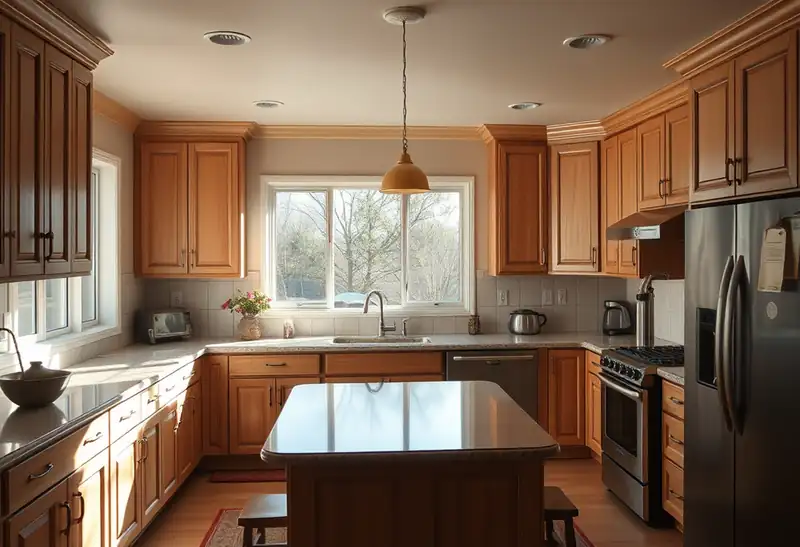
Kitchen Island Ideas Aligned with Denver's Landmark Regulations
In Denver, kitchen island installation may involve permits depending on your home’s age and local regulations. Understanding these rules helps avoid delays and ensures compliance with city guidelines.
Denver's housing units totaled about 359,581 in the 2020-2024 estimates (ACS 5-year 2020-2024, B25001 Housing Units). If your kitchen island involves structural changes or electrical work, a permit might be required. Some renovations may also trigger asbestos inspections if they disturb more than 32 sq ft of surfaces (Asbestos support and guidance: Renovation, demolition, and certification (CDPHE)). These steps help ensure safety and legal compliance during your project.
Approximately 48.8% of Denver’s occupied homes are owner-occupied (ACS 5-year 2020-2024, B25003 Tenure), meaning many homeowners manage their own renovation processes. If you’re unsure whether a permit is needed, consult local building authorities or a professional for guidance. Always verify if your kitchen island plans meet Denver's landmark regulations and city-specific requirements before beginning work. Proper planning can save time and prevent unexpected costs later.
Do I need a permit for kitchen island installation in newer Denver homes?
Permits may be required if your project involves structural changes, electrical or plumbing work, or affects existing materials. Consult local authorities to confirm based on your home’s age and the scope of work.
Denver kitchen remodel price bands
| Job | Low | Typical | High | Source |
|---|---|---|---|---|
| Kitchen island installation | $2,000 | $3,450 | $5,900 | angi.com, thisoldhouse.com, 2026-09 |
Typical ranges from public data (angi.com, thisoldhouse.com; September 2026), not a quote — your contractor's written contract sets the price.
The price range is modeled on national estimates multiplied by a local factor of 1.025, not an actual quote for your project. Prices as of Sep 2026.
Understanding Denver's Housing Units and Kitchen Remodel Needs
Denver's housing units range in age and structure, which impacts kitchen island installation. Homeowners should consider the unique characteristics of their property when planning a remodel.
Denver has around 359,581 housing units, with nearly half built before 1980. Many older homes may need electrical upgrades or floor reinforcement for a kitchen island. Nearly 48.8% of occupied homes in Denver are owner-occupied (ACS 5-year 2020-2024, B25003 Tenure), meaning many homeowners are directly involved in remodeling decisions and should review their home's specific needs before beginning any work. Homes built before 1978 require attention to lead-safe practices if paint is disturbed during installation (ACS 5-year 2020-2024, B25034 Year Structure Built).
Approximately 20% of Denver’s housing units were built in 2010 or later (ACS 5-year 2020-2024, B25034 Year Structure Built), which may have modern layouts that are more adaptable for kitchen island additions. However, single-family detached homes—comprising about 40% of the city's housing stock—often present different spatial challenges than multi-unit buildings (ACS 5-year 2020-2024, B25024 Units in Structure). Each home type and age requires a unique approach when planning installation, especially if structural or safety considerations are involved.
How does the age of Denver housing units affect kitchen island installation rules?
Homes built before 1978 may need lead-safe practices if paint is disturbed. Older homes might also have outdated electrical or flooring systems that require upgrades for a kitchen island (Residential Interior Remodel - City and County of Denver (CPD)). Owner-occupied homes, which make up nearly half of occupied units, should evaluate their home's specific requirements before installation (ACS 5-year 2020-2024, B25003 Tenure).
Related for Denver homeowners: Cabinet Refacing and Small Kitchen Remodel.
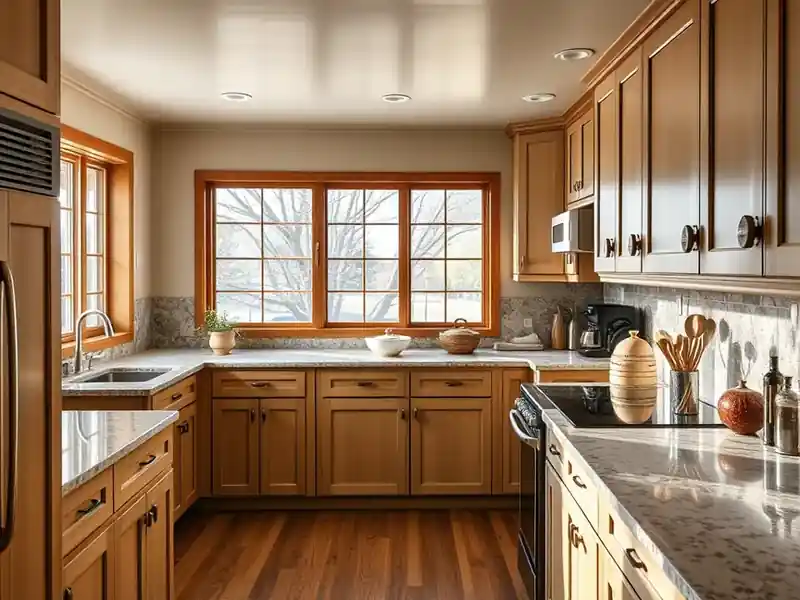
Impact of Denver's Weather on Kitchen Island Construction
Denver's weather, including freezing temperatures and wide temperature swings, affects material choices for kitchen islands to ensure durability and stability during installation.
Denver experiences about 156 days annually with lows at or below 32°F, which can impact the selection of materials that resist warping or cracking due to freeze-thaw cycles (NOAA NCEI U.S. Climate Normals 1991-2020, Denver International Airport (USW00003017), annual/seasonal). The city's residential code mandates footings to be placed at or below a 36-inch frost line unless protected, influencing how foundations are prepared for kitchen islands (Chapter 4 Foundations: Denver Residential Code 2021 (UpCodes)). These conditions mean that materials like solid wood or composite countertops may be more suitable than others in certain weather scenarios. Contractors must plan for these factors to avoid delays and ensure long-term structural integrity during installation.
Denver's average annual temperature ranges from 31.7°F in January to 75.1°F in July, creating significant thermal shifts that can stress materials not designed for such variations (NOAA NCEI U.S. Climate Normals 1991-2020, Denver International Airport, monthly mean temperature). While precipitation is relatively low at 14.48 inches annually, the combination of freeze-thaw cycles and temperature extremes remains a key consideration for material selection and installation timing (NOAA NCEI U.S. Climate Normals 1991-2020, Denver International Airport (USW00003017), annual/seasonal). These conditions mean that materials with high moisture resistance and thermal stability are preferred to avoid damage over time. Proper planning around these weather patterns helps ensure the kitchen island remains functional and aesthetically sound.
What temperature conditions in Denver should influence kitchen island materials?
Denver’s average temperatures range from 31.7°F in January to 75.1°F in July, while freeze-thaw cycles occur on about 156 days annually. These conditions suggest using materials that resist warping, cracking, and moisture damage for long-term durability.
Budget Table for Kitchen Island Projects in Older Denver Homes
For homes built around 1975, kitchen island installation typically costs between $2,000 and $5,900 depending on scope.
| Line | Amount | Trace |
|---|---|---|
| Local band typical | $3,450 | cost row /kitchen-island-installation/ × multiplier 1.025 (MODELED) |
| Illustrative total | $3,450 | MODELED |
Illustrative example modeled from the public data cited on this page (October 2026), not a quote — your contractor's written contract sets the price.
What a fair written quote should state
- Quote should specify if permit fees are included based on project scope
- Include cost for materials and labor separately for clarity
- Mention if lead-safe practices apply depending on home’s construction year (ACS 5-year 2020-2024, B25034 Year Structure Built)
- State whether the quote includes demolition or only installation
- Clarify if work involves electrical or plumbing changes requiring permits (Residential Interior Remodel - City and County of Denver (CPD))
Check a quote against the local band
$2,000–$5,900 per job
When Interior Remodels in Denver May Skip Hiring a Pro for Simple Islands
If you're replacing existing cabinets or countertops without changing floor plans, minor updates may not need a hired pro. However, Denver requires permits for structural changes like moving walls or adding plumbing (Residential Interior Remodel - City and County of Denver (CPD)). For safety and compliance, always consult with a licensed professional before starting major work.
What to Do Next After Checking Permit Fees in Denver
- Check if your project requires a permit based on changes to your home’s structure (Residential Interior Remodel - City and County of Denver (CPD))
- Get a written quote from the pro we match you with.
- Compare details, not just prices, to ensure work meets local standards
Permit rules from Residential Interior Remodel - City and County of Denver (CPD). Rules change — confirm with the Denver building/permit office before you start.
Price range for Denver (no contact needed)
Inquiries About Kitchen Islands Close to Denver International Airport
Do I need a permit for kitchen island renovation in Denver?
Yes: Denver requires construction permits when a remodel alters the floor plan, changes load-bearing walls, adds or moves doorways or windows, reroutes ductwork, or adds or relocates electrical or plumbing fixtures (Residential Interior Remodel - City and County of Denver (CPD)).
How much does kitchen island installation cost in Denver for a project valued at $40,000?
For projects over $2,000, typical costs range from $3,450 to $5,900. A $40,000 project would likely be on the higher end or include additional upgrades not included in standard pricing. Always get a detailed breakdown from a pro.
How do I verify a kitchen remodeling pro's credentials in Denver?
Verify a pro’s experience by asking for references and checking their work history. Ensure they understand local codes, especially if your home was built before 1978 (ACS 5-year 2020-2024, B25034 Year Structure Built). Always ask the pro we match you with for a written estimate and confirm they follow lead-safe practices where applicable.
Does lead-safe work apply to older homes undergoing kitchen island changes inDenver?
Ensure the pro follows EPA guidelines if applicable.
Related
Get matched with one Denver pro
Before they contact you, we give you the pro's name. Ask them for their license number and check it yourself — look it up at denvergov.org.
Page history
- — Updated 11% of the text
- — Updated 8% of the text
- — Updated 98% of the text; new sections: Kitchen Island Ideas Aligned with Denver's Landmark Regulations, Understanding Denver's Housing Units and Kitchen Remodel Needs, Impact of Denver's Weather on Kitchen Island Construction; removed: Options for Kitchen Island Installation in Denver, What in Denver changes a kitchen island installation job, How much does a kitchen island cost to install in Denver, Colorado?
- — Updated 98% of the text; new sections: Options for Kitchen Island Installation in Denver, What in Denver changes a kitchen island installation job, How much does a kitchen island cost to install in Denver, Colorado?; removed: Kitchen Island Ideas Aligned with Denver's Landmark Regulations, Understanding Denver's Housing Units and Kitchen Remodel Needs, Impact of Denver's Weather on Kitchen Island Construction
- — First version
Content changes only; spelling and layout fixes are not listed.